A heritage blog for Swapnagandha Collection | Culture, craftsmanship & timeless elegance
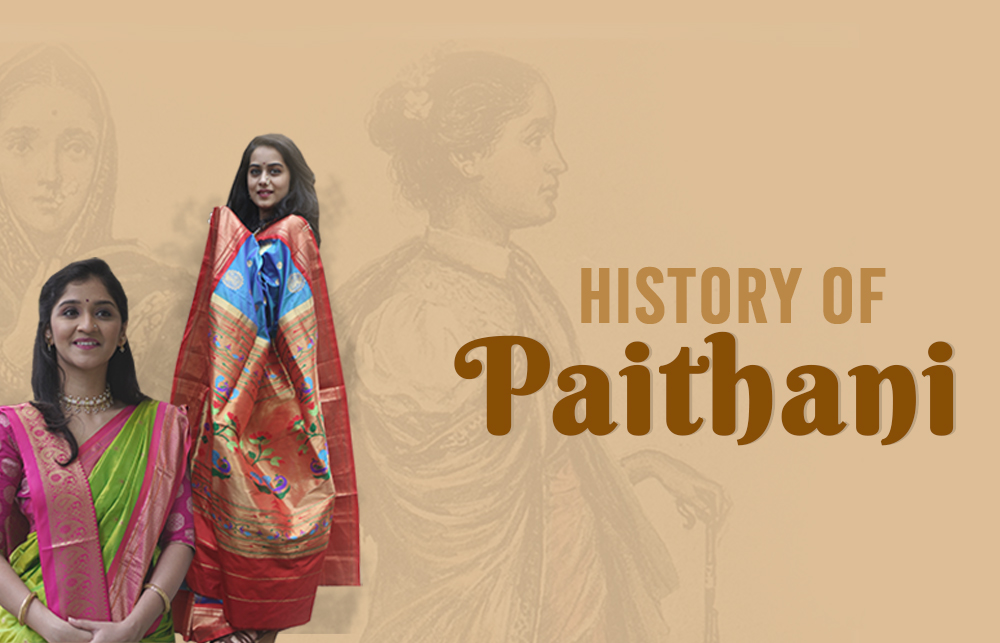
Some traditions never fade with time. They become a part of our identity, passed down through generations and cherished long after the moments they were created for. In Maharashtra, Paithani is one such treasure. More than a silk saree, it represents the beauty of traditional craftsmanship, cultural pride, artistic expression and the timeless elegance of Maharashtrian heritage.
From weddings and festive celebrations to family gatherings and special occasions, Paithani has held a special place in the hearts of Maharashtrian women. Its rich colours, intricate motifs and distinctive woven patterns make it instantly recognisable. But what truly makes Paithani special is the story behind it; a story woven with patience, skill, tradition and pride.
So, why is Paithani considered Maharashtra’s pride? Let’s explore.
A Heritage That Has Been Passed Down Through Generations
Paithani is deeply connected to Maharashtra’s cultural history. Traditionally associated with Paithan, a historic town in Maharashtra, this exquisite silk weaving tradition has been admired for centuries. Its heritage reflects the region’s artistic richness and the dedication of craftspeople who have preserved the art of weaving over generations.
For many families, Paithani is not simply a garment purchased for an occasion. It is a treasured possession, often gifted during weddings, festivals and significant milestones. A Paithani passed down from a mother or grandmother can carry memories of celebrations, relationships and moments that remain close to the heart.
This emotional connection is what makes Paithani more than fashion. It is a piece of heritage that continues to live within families.
At Swapnagandha Collection, we offer authentic Yeola-style Paithani topi designs made especially for Maharashtrian weddings.
The Beauty of Intricate Handloom Craftsmanship
One of the most remarkable aspects of Paithani is its craftsmanship. The saree is admired for its rich silk texture, vibrant colours and elaborate woven designs, especially in the pallu and border.
Traditional motifs such as peacocks, lotus flowers, parrots and other nature-inspired patterns bring the fabric to life. These motifs are not merely decorative details; they reflect the creativity, imagination and artistic traditions associated with Indian textiles.
The weaving process requires patience, precision, and a keen eye for detail. Each design element contributes to the overall beauty of the saree, making the finished piece feel like a work of art. Behind every beautiful Paithani is the skill of artisans whose craft helps preserve an important part of Maharashtra’s textile heritage.
A Celebration of Colours and Traditional Motifs
Paithani is known for its beautiful colours; royal purple, emerald green, rich magenta, golden yellow, peacock blue and many more shades that reflect festive vibrance and traditional elegance.
The motifs woven into Paithani often draw inspiration from nature, including peacocks, flowers, vines and other intricate patterns. The peacock, in particular, is admired for its graceful form and striking presence in traditional textile designs.
Every colour and motif adds a different character to the saree. Some Paithanis feel regal and grand, making them perfect for weddings, while others have a softer elegance suited to festive gatherings and family celebrations.
Beautifully designed sadi covers also work perfectly for bridal gifting, especially during saas-bahu exchanges and family ceremonies.
This variety is one of the reasons Paithani continues to appeal to women of different ages and style preferences. It allows tradition to be celebrated in a way that feels personal.
Paithani Is Woven Into Maharashtrian Celebrations
Think of a Maharashtrian wedding, a festive family gathering, a traditional ceremony or a special occasion. Paithani often becomes a part of the visual beauty and cultural atmosphere of these moments.
It is worn with pride during celebrations such as Diwali, weddings, religious ceremonies and other occasions that bring families together. The saree complements traditional Maharashtrian jewellery, nath, bangles and other elements of festive shringar, creating a look that feels graceful and rooted in culture.
For many women, wearing a Paithani is also a way of reconnecting with their roots. It brings a sense of familiarity, belonging and pride; especially during moments when traditions are celebrated with loved ones.
Paithani is not simply worn to look beautiful. It is worn to honour the occasion, the culture and the memories being created.
A Perfect Blend of Tradition and Modern Style
One of the reasons Paithani remains relevant today is its ability to adapt to changing fashion preferences without losing its traditional charm.
Today’s women are finding new ways to style Paithani. Some prefer a classic Maharashtrian look with traditional jewellery and a beautifully draped saree. Others experiment with contemporary blouses, modern jewellery, subtle makeup or different styling choices to create a fusion look.
Paithani-inspired fashion has also found its way into accessories, festive styling and contemporary wardrobe choices, allowing traditional motifs and textiles to be appreciated in new ways.
This balance between heritage and modernity is what makes Paithani timeless. It doesn’t belong to just one generation. It continues to evolve while retaining the cultural identity that makes it special.
More Than a Saree an Emotion That Connects Generations
There is something beautiful about traditions that bring generations together. A grandmother helping her granddaughter drape a saree, a mother gifting Paithani for an important milestone or a daughter choosing a traditional look for her wedding; these moments create memories that go beyond the fabric.
Paithani often becomes a part of these personal stories. It may remind someone of their first festive celebration after marriage, a family wedding, a cherished gift or the warmth of being surrounded by loved ones.
In a world where trends change quickly, these emotional connections give traditional clothing a deeper meaning. Paithani reminds us that some things are valuable not because they are new, but because they carry memories, meaning and a sense of belonging.
And perhaps that is one of the most beautiful reasons why it continues to be cherished.
A Legacy Worth Preserving
Paithani represents more than the beauty of traditional Indian textiles. It also reflects the importance of preserving craftsmanship, supporting textile heritage and appreciating the people and skills behind traditional weaving.
As modern fashion continues to evolve, keeping these traditions alive becomes increasingly meaningful. Choosing traditional textiles, learning about their history, appreciating their craftsmanship and sharing their stories with younger generations are small ways of keeping heritage alive.
Paithani is a reminder that our culture is not something we leave behind in the past. It is something we carry forward, reinterpret, and celebrate in our everyday lives.
ts beauty lies not only in its silk, colours or motifs, but also in the history and pride woven into it.
Paithani : Maharashtra's Pride, Woven in Tradition
Paithani is a celebration of Maharashtra’s artistic heritage, cultural identity and timeless elegance. Every motif, every colour and every woven detail reflects a tradition that continues to hold meaning across generations.
Whether worn for a wedding, gifted to someone special or treasured as a family heirloom, Paithani carries a story worth celebrating.
At Swapnagandha Collection, we celebrate the beauty of Maharashtrian tradition and the timeless charm of Paithani-inspired artistry. Because some styles may change with time, but the beauty of our heritage remains forever.
Some traditions are worn. Some are treasured. Paithani is both.